How to Make the Most of Two Weeks in Japan: A Balanced 14-Day Itinerary
If you only have around 10 days in Japan, I recommend starting with my 10-day Japan itinerary for first-time visitors. https://www.japanbyjoe.com/japan-10-day-itinerary-first-time-visitors
This two-week itinerary builds on the same idea, but gives the trip more breathing room. Instead of simply adding more famous places, the goal is to create better contrast: modern Tokyo, a countryside and mountain stop, historical Kyoto, food-focused Osaka, and one or two meaningful day trips.
With 10 days, you need to make hard choices. With two weeks, you still cannot see everything, but you can build a stronger rhythm. You can spend enough time in Tokyo and Kyoto, add Osaka without rushing, and include a countryside or mountain stop that changes the feeling of the trip.
For this version, I recommend: Tokyo → Takayama → Kyoto → Osaka
With day trips to places like Kamikochi, Shirakawa-go and Nara.
Who This Itinerary Is For
This itinerary is best for you if:
- This is your first trip to Japan
- You have around two weeks
- You want Tokyo, Kyoto and Osaka
- You also want countryside, mountains or nature
- You enjoy food, temples, old streets and local atmosphere
- You prefer a varied route instead of only big cities
- You are comfortable with one longer travel day to reach Takayama
This itinerary may not be the best fit if:
- You want the simplest possible route
- You dislike long train or bus transfers
- You are traveling in winter and mainly want easy logistics
- You prefer theme parks, shopping and nightlife over nature or countryside
- You want to minimize hotel changes as much as possible
Route Overview
A balanced two-week Japan itinerary could look like this:
Day 1: Arrive in Tokyo
Day 2: West Tokyo — Shinjuku, Meiji Shrine, Harajuku, Shibuya
Day 3: Central Tokyo — Tokyo Tower area, Tsukiji, Ginza, Imperial Palace
Day 4: East Tokyo — Asakusa, Ueno, Akihabara
Day 5: Flexible Tokyo day or short day trip
Day 6: Travel to Takayama and explore the old town
Day 7: Shirakawa-go day trip
Day 8: Kamikochi day trip, if traveling between mid-April and mid-November
Day 9: Travel to Kyoto
Day 10: Kyoto — Gion, Higashiyama, Kiyomizu-dera area
Day 11: Kyoto — Arashiyama or Northern Higashiyama
Day 12: Nara day trip
Day 13: Osaka — Namba, Dotonbori, food and nightlife
Day 14: Osaka final day or departure from Kansai
Should You Still Add Hakone or Nikko?
In my 10-day Japan itinerary, I usually recommend adding Hakone or Nikko as a slower break from Tokyo.
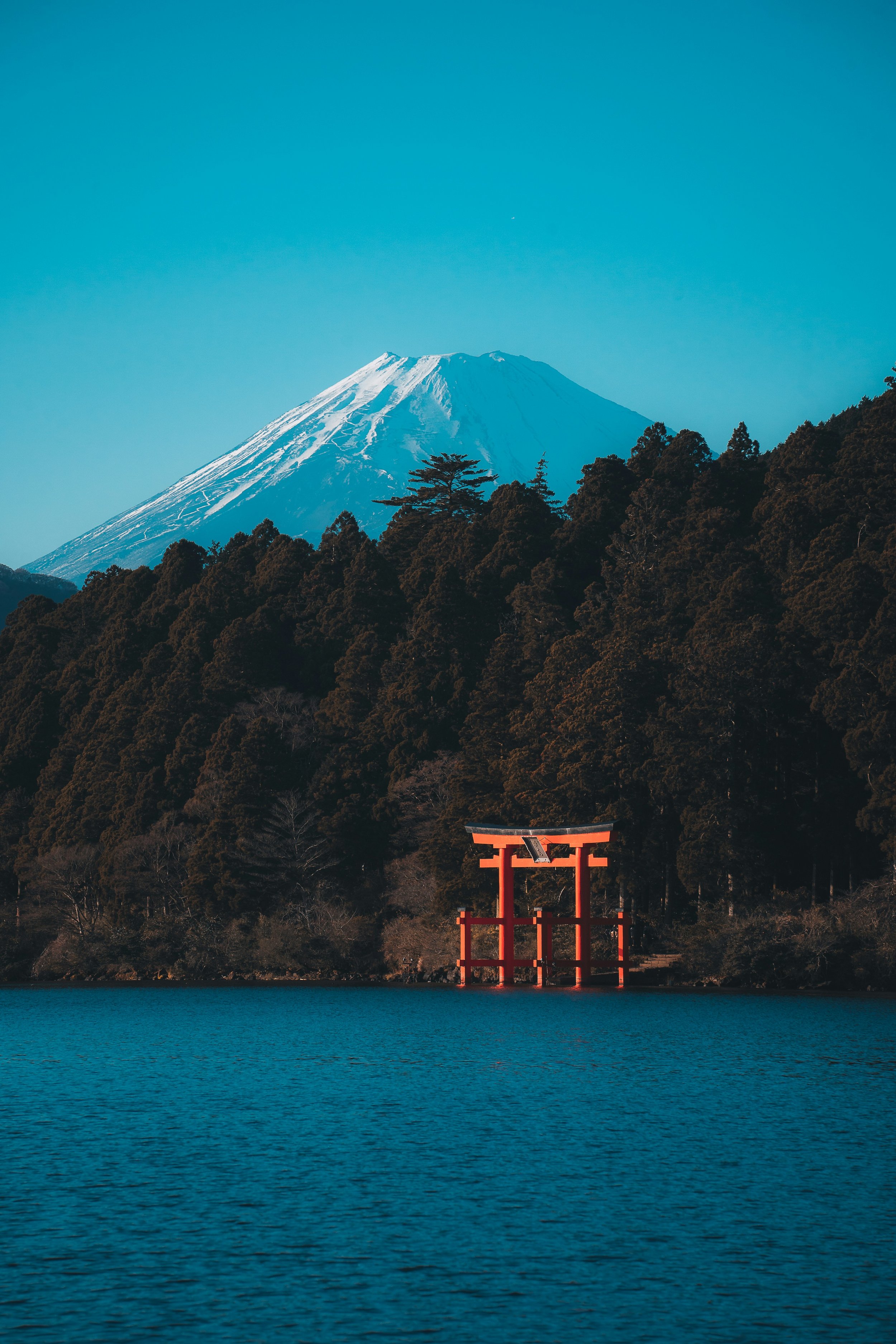
For a shorter first trip, that works very well. Hakone gives you ryokan, onsen, mountain views and possible Mount Fuji scenery. Nikko gives you forest temples, history, waterfalls and a completely different atmosphere from central Tokyo. For this two-week itinerary, I would usually skip both Hakone and Nikko and use that time for Takayama and the Japanese Alps instead.
The reason is simple: Takayama gives you a deeper countryside and mountain experience. It takes more effort to reach, but with two weeks you finally have enough time to make that journey worthwhile.
That does not mean Hakone or Nikko are bad choices. They are both excellent. But they are easier short add-ons from Tokyo, while Takayama opens the door to a different side of Japan: old towns, sake breweries, mountain landscapes, traditional village scenery and access to places like Kamikochi and Shirakawa-go.
So my recommendation is:
If you have around 10 days, consider Hakone or Nikko.
If you have two weeks and want more variety, consider Takayama instead.
Why Add Takayama and the Japanese Alps?
For me, Takayama is one of the best additions to a two-week Japan itinerary.
Tokyo, Kyoto and Osaka are all amazing, but they are still large urban or heavily visited destinations. Even Kyoto, with all its temples and old streets, can feel busy and crowded if you only stay around the most famous areas. Takayama changes the rhythm of the trip. It gives you a smaller old-town atmosphere, mountain surroundings, local food, sake breweries, morning markets and a slower pace. It also works as a useful base for visiting Shirakawa-go and, depending on the season, Kamikochi.
This is what makes the route feel more complete:
- Tokyo gives you modern Japan
- Takayama gives you old town, countryside and mountains
- Shirakawa-go gives you traditional village scenery
- Kamikochi gives you nature, walking and alpine landscapes
- Kyoto gives you temples, gardens and history
- Osaka gives you food, nightlife and city energy
- Nara gives you another historical layer as an old capital
This is why I prefer adding Takayama instead of simply adding more city days. It is not the easiest stop logistically, but it can be one of the most memorable parts of the trip.
Tokyo (4-5 Days)
I would still start this itinerary in Tokyo. It is the easiest place to arrive, adjust to Japan, and experience the modern side of the country. It also works well because you can organize your days by area instead of wasting time crossing the city too many times. I explain the Tokyo structure in more detail in my 10-day Japan itinerary, but for this two-week route, I would keep the same basic idea.
Day 1: Arrive in Tokyo
Keep your arrival day simple. After landing, focus on getting to your hotel, checking in, getting some food nearby and adjusting to the time zone. If you still have energy, take a short walk around your hotel area.
Tokyo is amazing at night, but do not overload the first day. Airport transfers, immigration, jet lag and orientation can take more energy than expected.
Day 2: West Tokyo — Shinjuku, Meiji Shrine, Harajuku and Shibuya
Use your first full day for West Tokyo.
A good route is: Shinjuku → Meiji Shrine → Harajuku → Shibuya
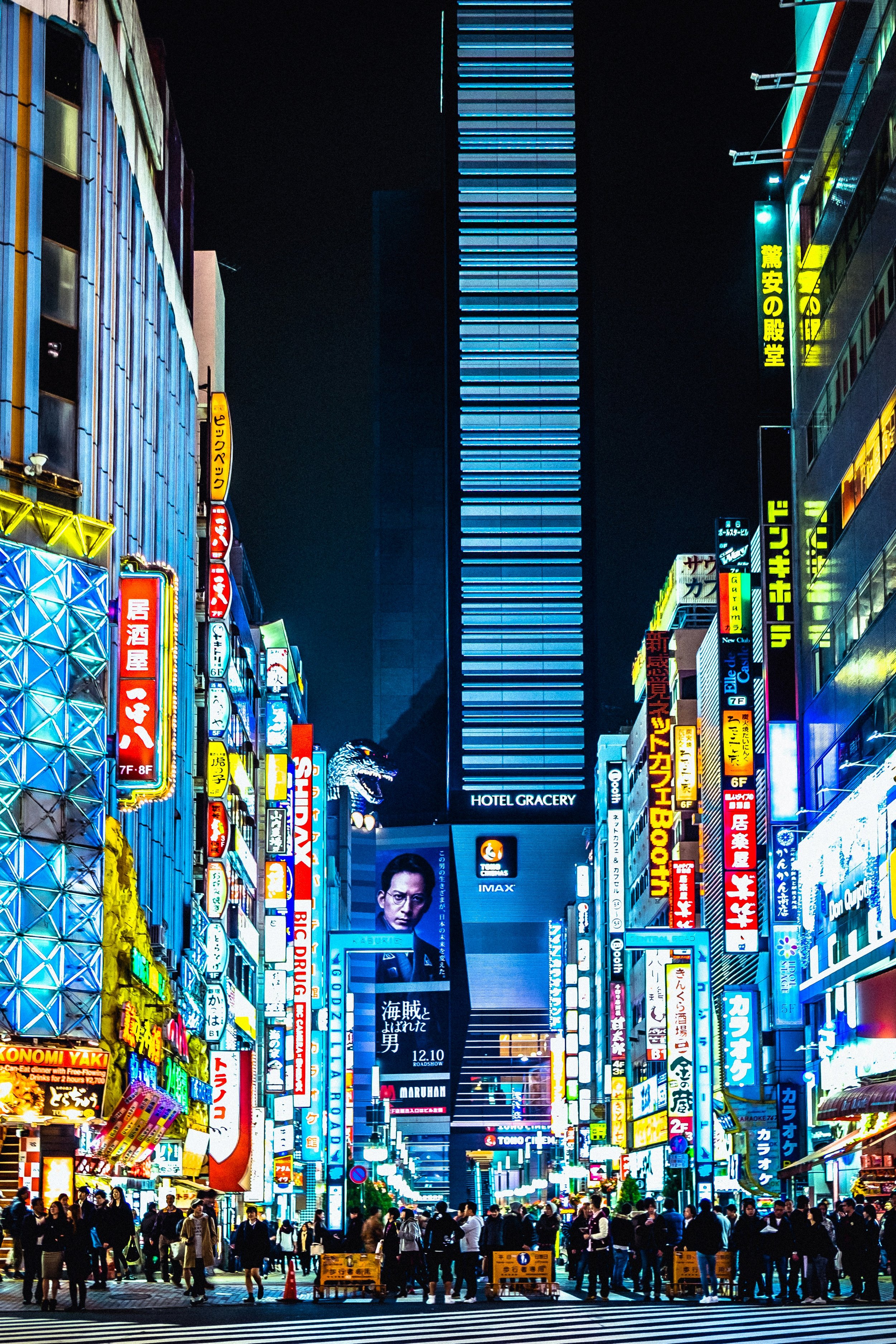
Shinjuku gives you skyscrapers, busy streets, food, nightlife and the Tokyo Metropolitan Government Building, which has a free observation deck. For me this is a no-brainer that allows you to save the money and time going up to Tokyo tower or the skytree.
Meiji Shrine is one of Tokyo’s most atmospheric shrine areas and gives you a peaceful forest contrast right in the middle of the city.
Harajuku and Takeshita Street show a more playful, youth-culture side of Tokyo, while nearby Omotesando gives you cafés, architecture and shopping.
End the day in Shibuya for the crossing, city lights, dinner and the modern Tokyo atmosphere.
Day 3: Central Tokyo — Tokyo Tower Area, Tsukiji, Ginza and Imperial Palace
This day gives you a mix of modern Tokyo, food, shopping and historic context.
You can start around Roppongi or the Tokyo Tower area, then visit Zojo-ji Temple for one of the best contrasts between traditional temple architecture and Tokyo Tower.
Tsukiji Outer Market works well for breakfast or lunch, especially if you enjoy seafood and street-food-style eating.
From there, Ginza is nearby and gives you a polished side of Tokyo with department stores, cafés, restaurants, architecture and luxury shopping.
If you are interested in Japan’s imperial history, you can also walk around the Imperial Palace area. You cannot freely enter the inner palace grounds, but the surrounding area is calm and gives useful context.
Day 4: East Tokyo — Asakusa, Ueno and Akihabara
East Tokyo gives you a more traditional and slightly older-feeling side of the city.
Start in Asakusa with Senso-ji, Tokyo’s oldest temple and one of the most famous religious sites in the city. The area can be crowded, but it is still worth visiting on a first trip.
From there, continue to Ueno for parks, museums and a more local city atmosphere.
If you are interested in anime, gaming, electronics or pop culture, Akihabara is an easy addition. Even if that is not your main interest, it can be interesting as a contrast to temples, parks and old shopping streets.
Day 5: Flexible Tokyo Day or Short Day Trip
Use this day based on your interests. Good options include:
- TeamLab Planets if you want an immersive digital art experience
- Shimokitazawa for vintage shops, cafés and a relaxed local atmosphere
- Odaiba for waterfront views and shopping
- Ghibli Museum if you are a big Studio Ghibli fan, but book early
- Ueno Park and museums if you want a slower cultural day
- A sushi-making experience or food tour if food is one of your main interests
You could also use this as a buffer day in case you want to slow down, shop, recover from jet lag or adjust plans because of weather.
Takayama and the Japanese Alps (3 days)
After Tokyo, this itinerary moves into the Japanese Alps.
Getting from Tokyo to Takayama takes time, usually around five hours depending on the route. I completely understand if some travelers prefer to skip it.
But if you are willing to make the journey, Takayama can become one of the most memorable parts of a two-week Japan trip.
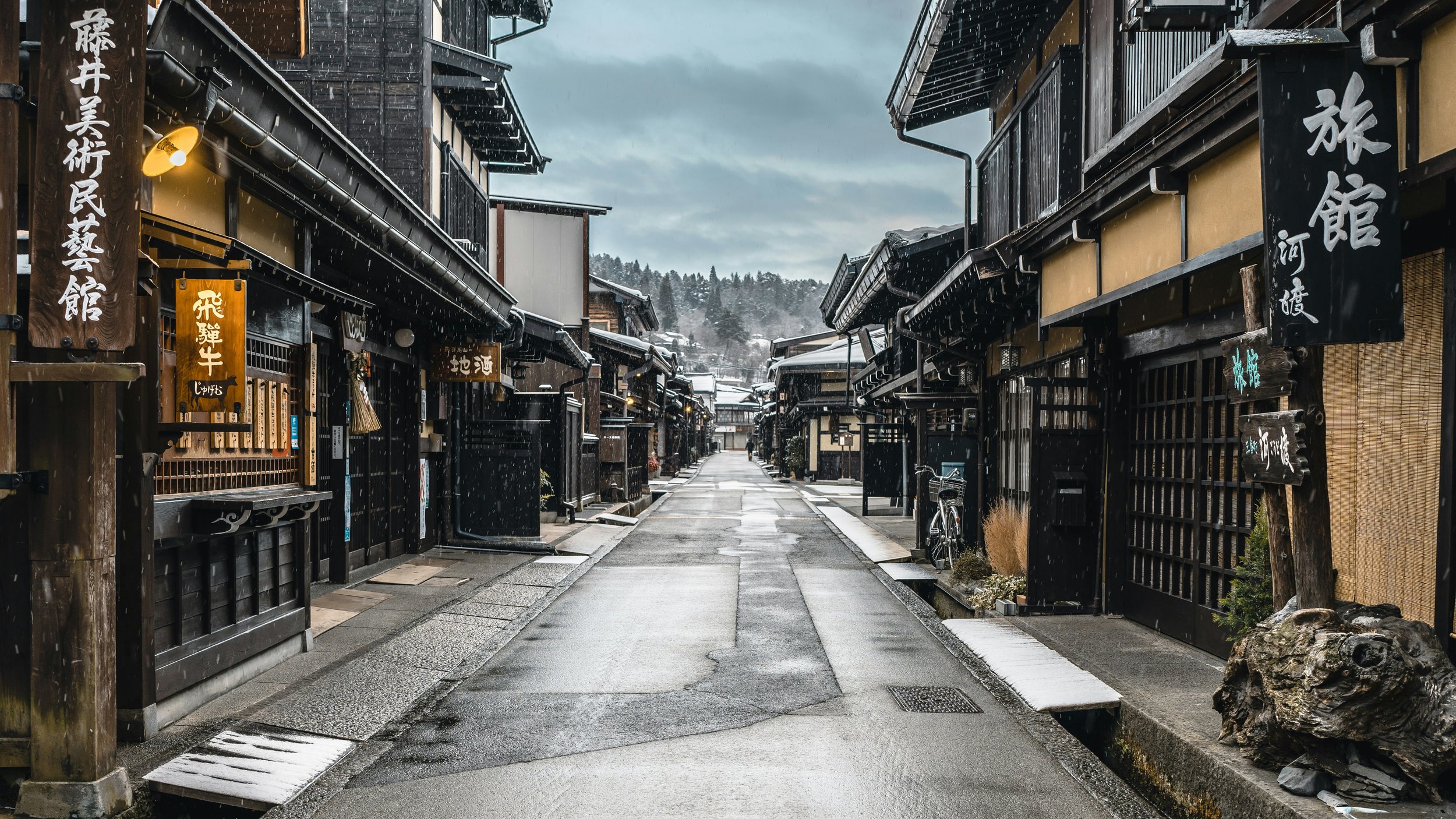
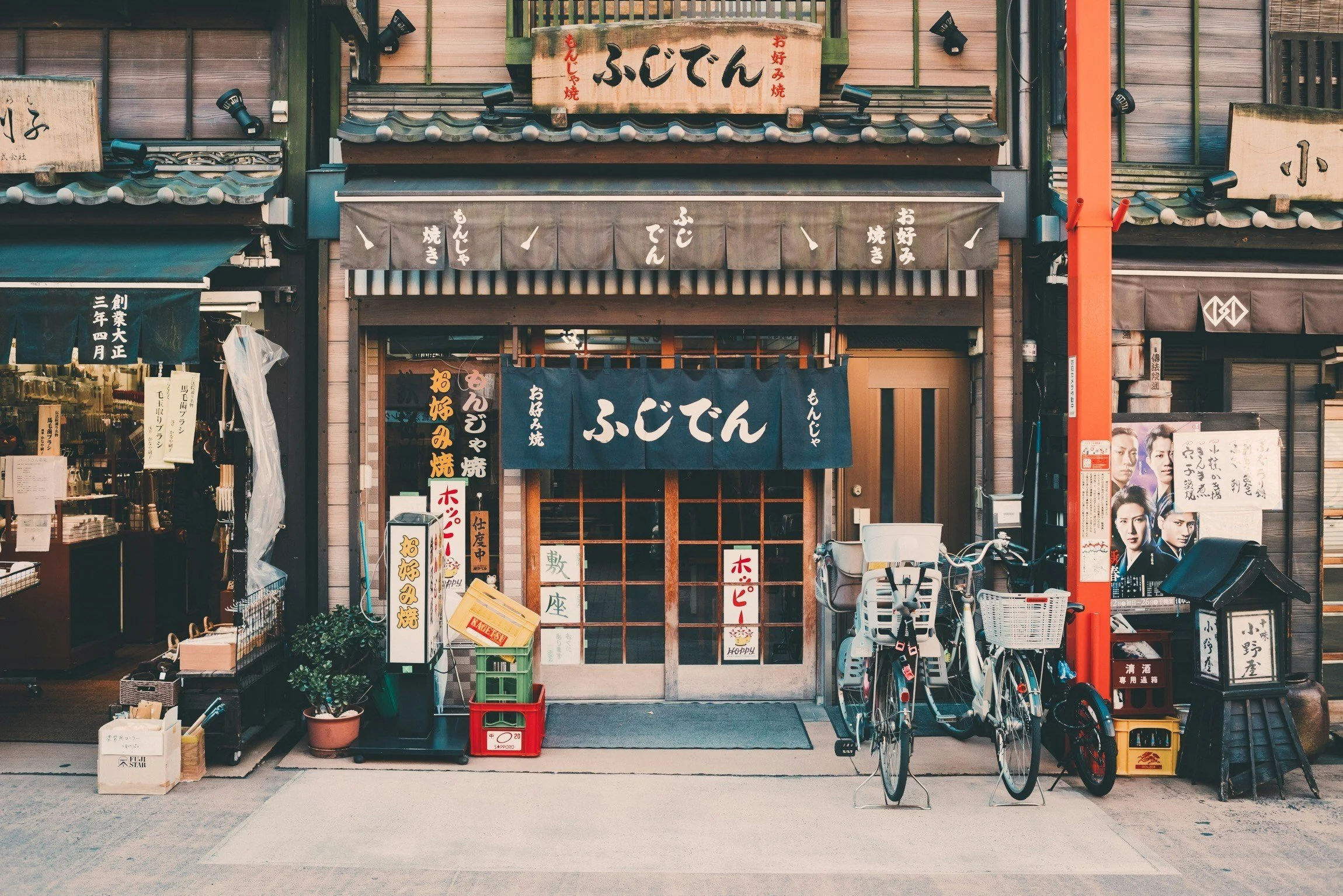
This is where the itinerary starts to feel different from the standard Tokyo–Kyoto–Osaka route. Takayama gives you you old streets, sake breweries, local food, morning markets and access to mountain scenery.
Day 6 - Travel to Takayama and Explore the Old Town
After arriving in Takayama, focus on the central old town area rather than trying to do too much. Walk through the preserved streets, visit a few shops, try local food and consider visiting one or two sake breweries.
Takayama is known for sake, and the old town has several breweries where you can do tastings. This is not a day that needs to be perfectly scheduled. The experience is more about wandering, tasting and slowing down.
If you arrive early enough, you can also explore the area around the Miyagawa Morning Market or save it for the next morning.
Day 7 - Shirakawa-go Day Trip
Shirakawa-go is one of the easiest and most rewarding day trips from Takayama.
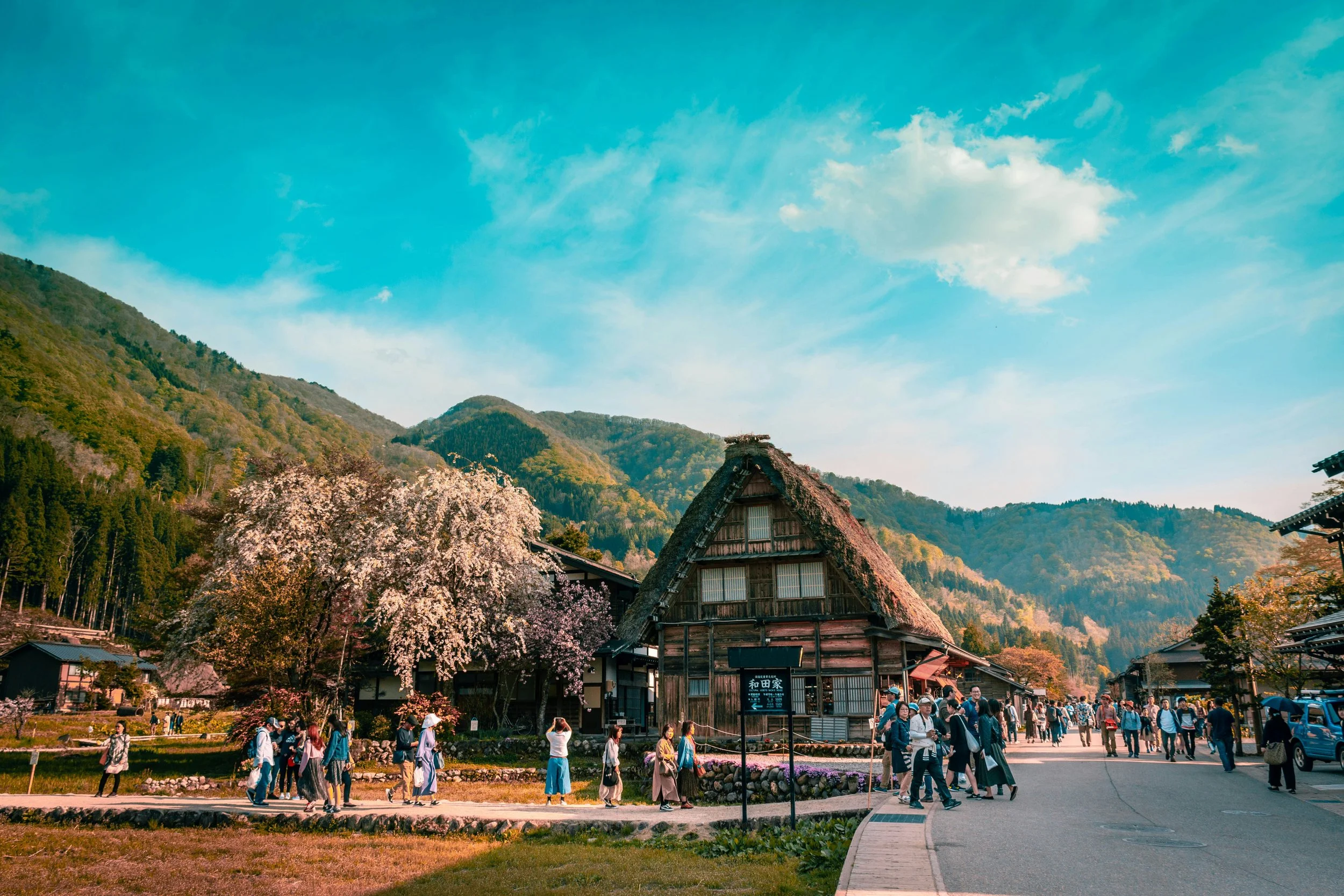
The village is known for its traditional gassho-zukuri houses and mountain setting. It gives the trip a very different feeling from Tokyo, Kyoto or Osaka.
The bus from Takayama to Shirakawa-go takes around 50 minutes, making it realistic as a day trip.
This is a good day to keep simple: go early, walk through the village, visit the viewpoint, take your time with the old houses and avoid rushing back too quickly.
Shirakawa-go is popular, so it can still be busy, but the setting is beautiful and it fits very well into a two-week route focused on contrast.
Day 8 - Kamikochi
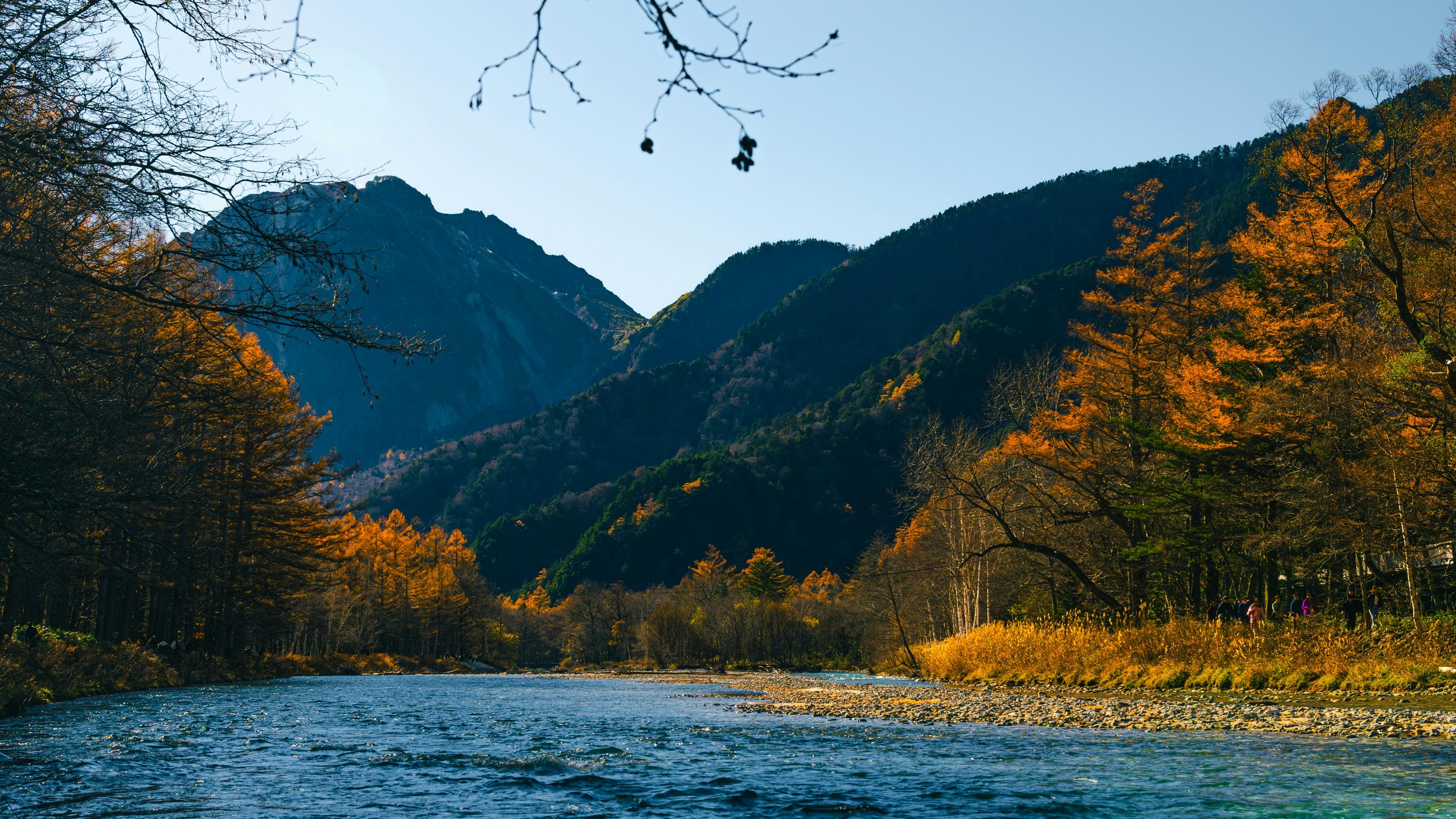
If you are visiting between mid-April and mid-November, Kamikochi can be one of the nature highlights of the entire itinerary. If you are visiting during the winter, scroll down for alternatives.
Kamikochi is generally open from mid-April to mid-November, with buses and facilities closing for the winter season from around November 16 onward.
From Takayama, you can access Kamikochi by bus through the mountain route. This does require planning, but it is very rewarding if you enjoy nature and walking.
For most first-time visitors, you do not need to do a serious mountain hike. A simple route around Taisho Pond, Kappa Bridge and the riverside paths already gives you beautiful mountain views, clear water and a very different side of Japan.
If you enjoy longer walks, you can continue farther toward Myojin Pond or Yokoo depending on your time, weather and energy level.
This day is especially good for travelers who want clean mountain air, nature, light hiking and a complete break from temples and cities.
Kyoto (4 days) + Nara day trip
After the mountain and countryside part of the trip, Kyoto brings you back into one of Japan’s most important historical cities.
Kyoto is not exactly a quiet hidden gem. It is famous, busy, and in some areas heavily affected by overtourism. But for a first trip to Japan, it is still very hard to skip.
Kyoto gives you temples, gardens, old streets, shrines, lanterns, traditional architecture and the image of Japan that many travelers have in mind before arriving.
The key is to plan Kyoto carefully. Do not try to see every famous temple. Choose areas that flow well together, start early when it matters, and leave time for slower walks, cafés, gardens and evenings by the river.
Day 9: Travel to Kyoto
Travel from Takayama to Kyoto. This will take a good part of the day, so keep the plan light.
If you arrive around lunch time, Nishiki Market can be a good first stop for food. It is touristy, but still useful for a first visit if you treat it as a casual food walk rather than a deep local market experience. After that, I would keep the rest of the day focused on one nearby area.
Good first Kyoto evening ideas include:
- Gion
- Yasaka Shrine
- Pontocho
- Kiyamachi
- Kamo River
- Higashiyama evening walk
Kyoto is especially beautiful early in the morning and in the evening. If you only visit the famous areas in the middle of the day, the crowds can make the city feel more stressful than it needs to be.
Day 10: Gion, Higashiyama and Kiyomizu-dera
This is the classic Kyoto day. A good route is:
Gion → Yasaka Shrine → Maruyama Park → Ninenzaka and Sannenzaka → Kiyomizu-dera
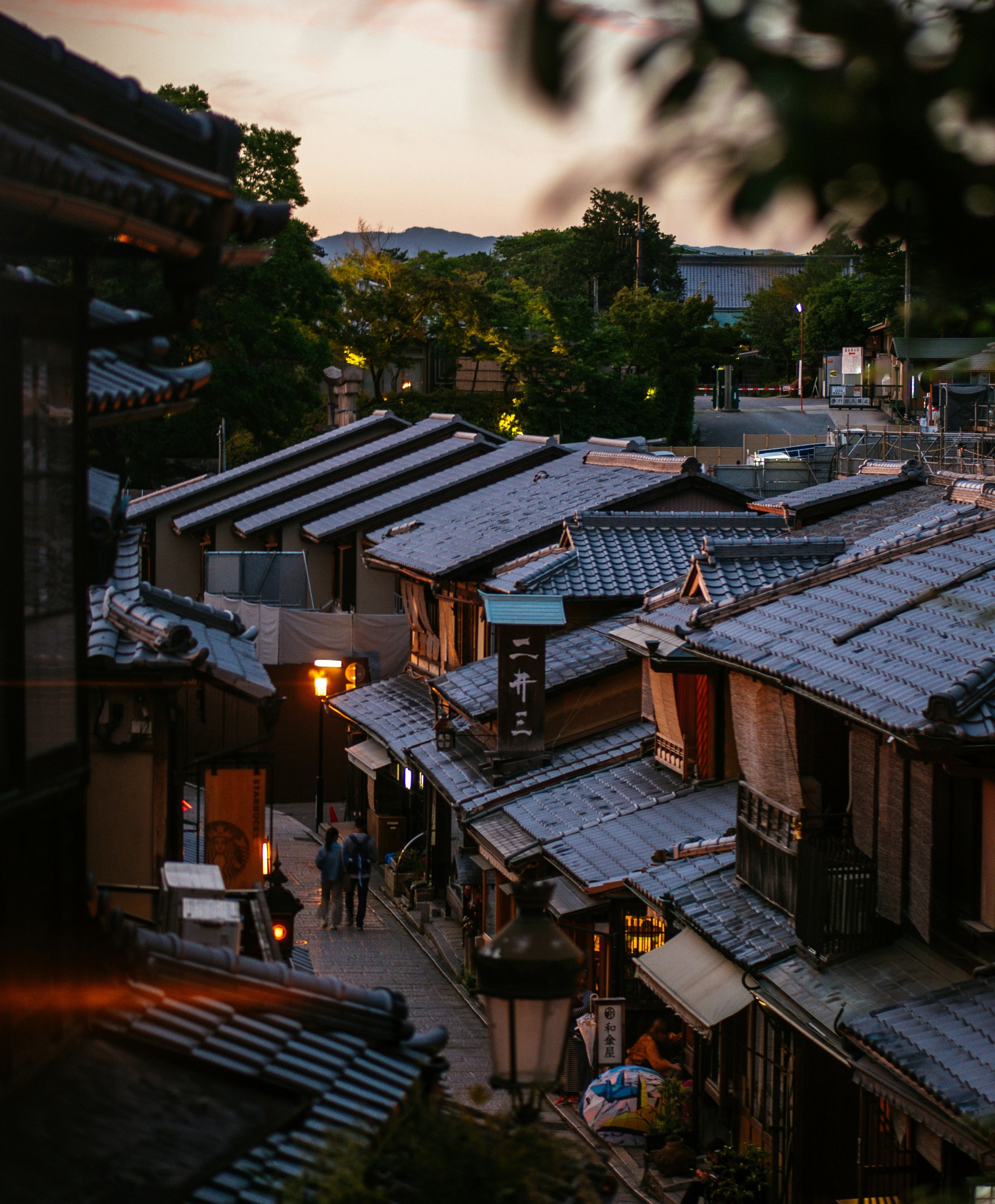
This area is famous for a reason. It gives you old streets, temples, shops, traditional architecture and some of the most iconic Kyoto scenery.
It can also be very crowded. My advice is to start early, especially around Ninenzaka, Sannenzaka and Kiyomizu-dera. If you arrive late in the morning or early afternoon, expect crowds.
Do not rush through this area just to check off sights. Kyoto is better when you slow down, take side streets, stop for tea or coffee, and allow some time to wander.
Day 11: Arashiyama or Northern Higashiyama
For this day, choose one main area. Do not try to do Arashiyama, Kinkaku-ji, Fushimi Inari, Ginkaku-ji and every famous temple in the same day. Technically, you can move around a lot in Kyoto, but it usually makes the day feel rushed.
I would choose one of these options:
A: Arashiyama if you want bamboo, river scenery, temples and a softer nature feeling.
A simple route could include: Bamboo Grove → Tenryu-ji → river area → smaller temples or quieter backstreets
Go early if the bamboo grove is important to you.
B: Northern Higashiyama
Choose Northern Higashiyama if you prefer temples, gardens and walking routes.
A good route could include: Nanzen-ji → Philosopher’s Path → Ginkaku-ji
This is one of my favorite ways to experience Kyoto because it combines culture, walking and a slightly slower pace.
Day 12: Nara Day Trip
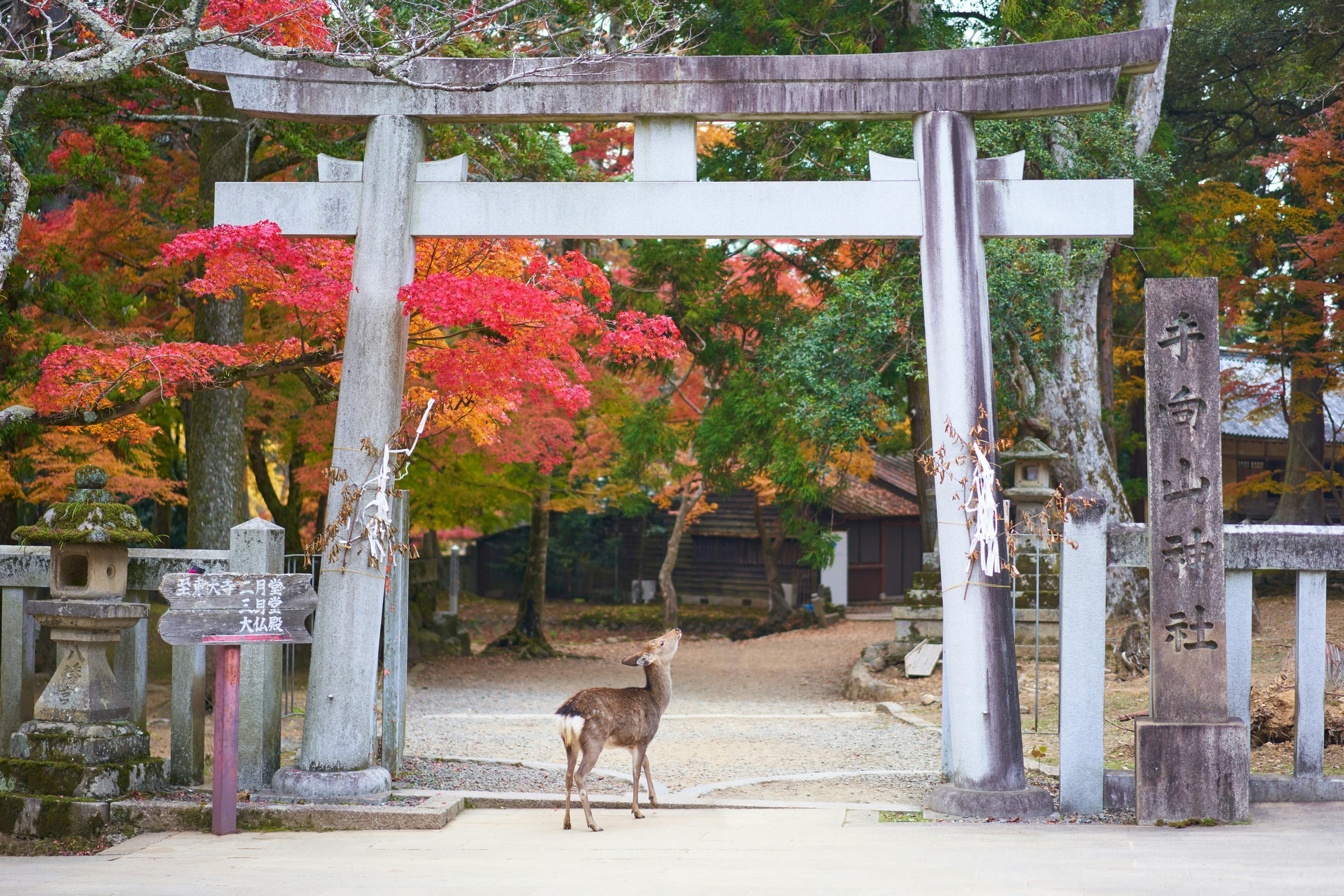
Use one Kyoto-based day for Nara. Nara is close, easy to reach, and adds another historical layer to the trip. It was one of Japan’s early capitals and has a very different atmosphere from both Tokyo and Kyoto.
Most visitors come for the deer, and that is definitely part of the experience. But Nara is much more than deer.
Start with Todai-ji, one of Japan’s most important temples and home to a huge bronze Buddha statue. After that, take your time walking through Nara Park.
If the weather is good, this is a great place to slow down, sit outside, have a simple lunch or just enjoy the open space.
Most people stop around Todai-ji and the deer park, but Nara becomes more rewarding if you keep walking. I especially recommend walking up toward Nigatsu-do. The atmosphere becomes quieter, the views open up, and the old paths give you a stronger sense of historical Nara.
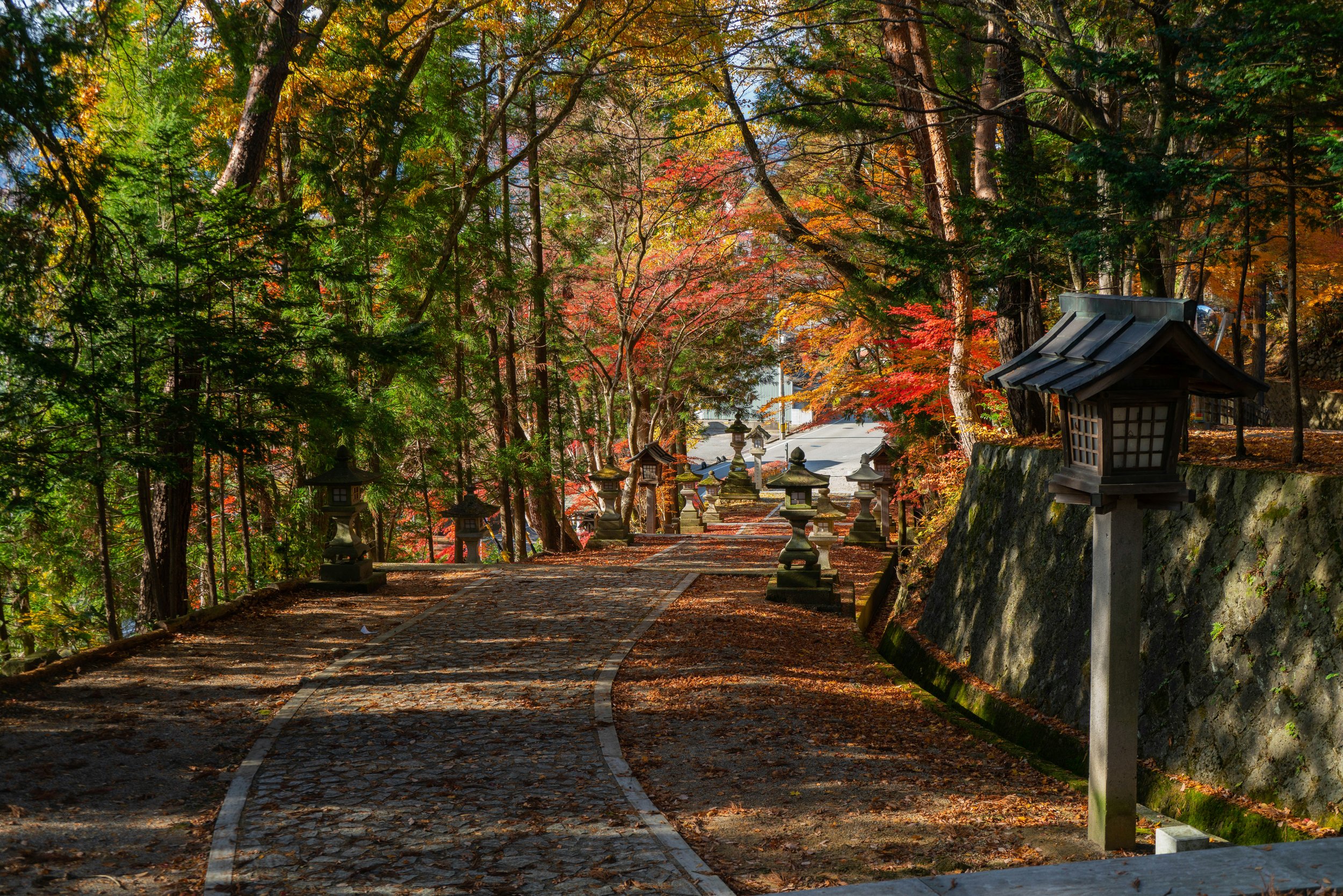
Kasuga Taisha is also worth visiting. It sits in the forest and gives you a beautiful mix of shrine architecture, lanterns and nature.
For a two-week itinerary, Nara fits very well because it gives you history and nature without requiring another hotel change.
Osaka (2 days)
With only 10 days, I do not always think Osaka is essential. With two weeks, Osaka becomes much easier to recommend.
You now have enough time to enjoy Osaka’s food, nightlife and city energy without sacrificing Kyoto, Nara or the countryside stop. Osaka works best when you do not treat it like a temple-and-museum checklist. For most first-time visitors, Osaka is about eating, walking, nightlife, casual atmosphere and enjoying a different urban energy from Tokyo.
Day 13: Namba, Dotonbori and Food
Travel from Kyoto to Osaka. This is a short and easy transfer, so you can still enjoy most of the day. After checking in, focus on the Namba area.
Good areas for the evening include:
- Dotonbori
- Hozenji Yokocho
- Namba
- Shinsaibashi
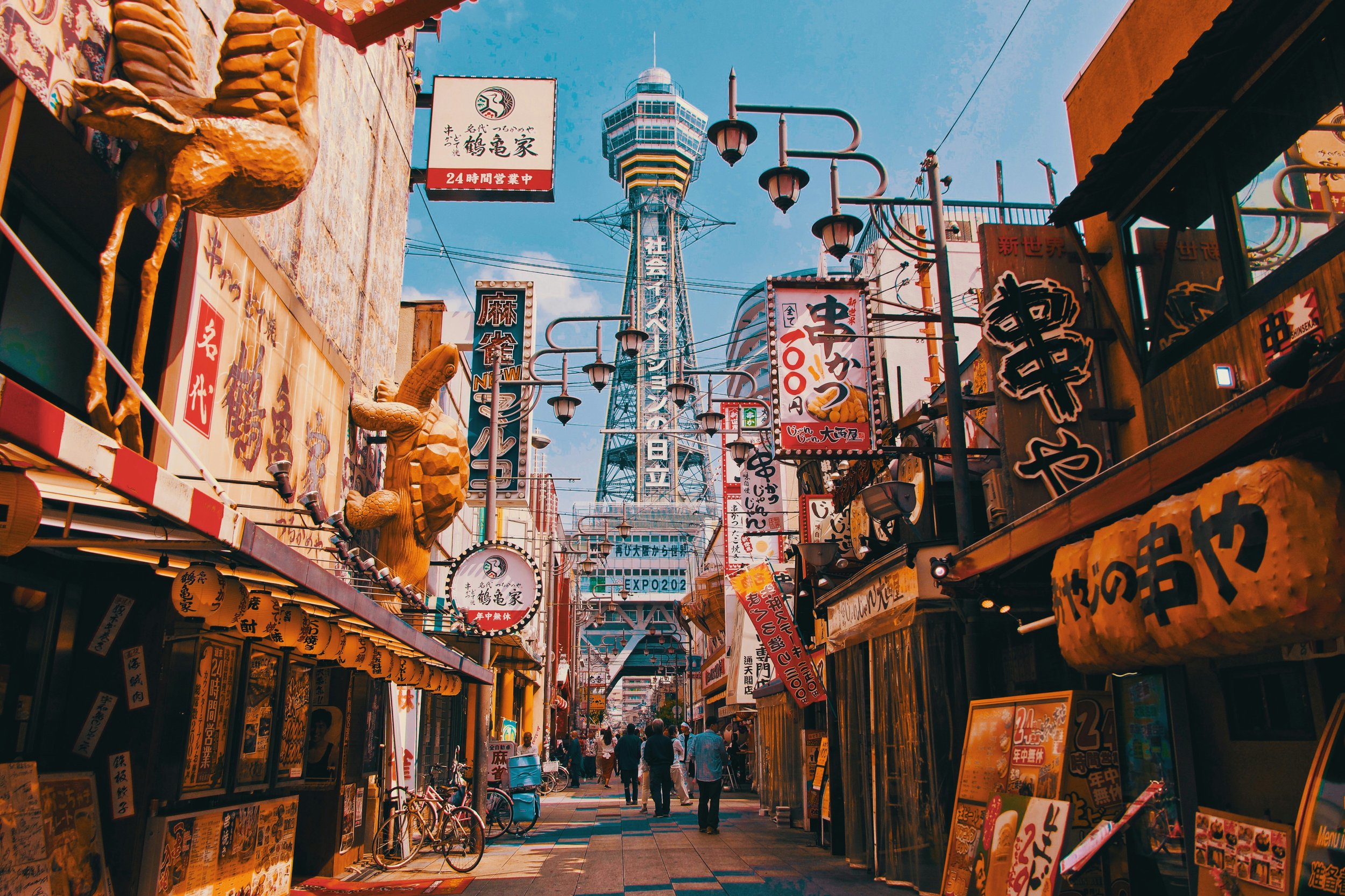
- Shinsekai, if you want a more retro atmosphere
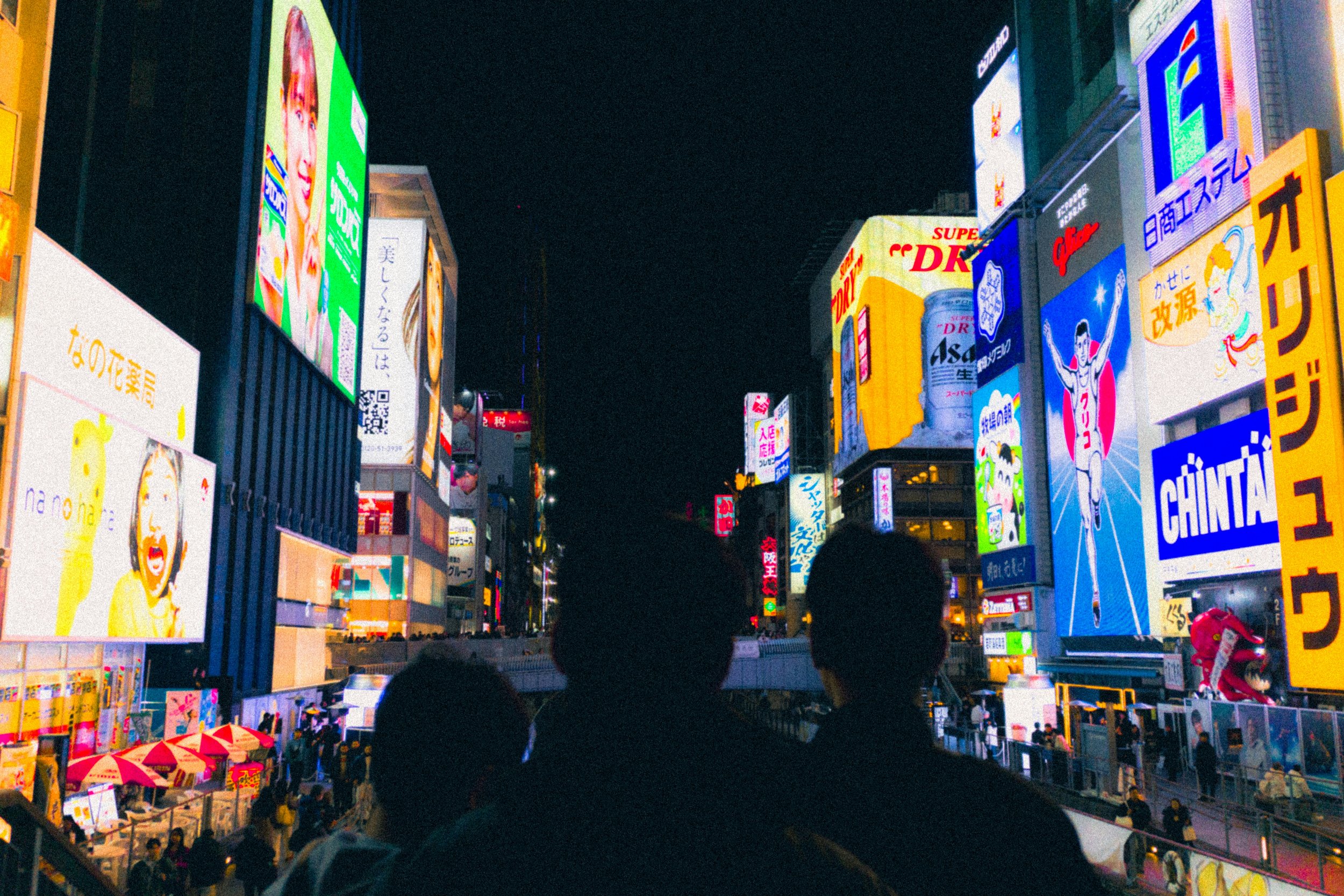
Dotonbori is busy and touristy, but for a first visit to Osaka, it is still worth seeing. The lights, signs, food streets and energy are part of the experience.
This is a good night to keep the plan loose. Walk, eat, look around, try small dishes and enjoy the city atmosphere.
Day 14: Final Osaka Day or Departure
If you are flying from Kansai International Airport, Osaka is a convenient final base.
Use the last day for a slow morning, final shopping, food or one simple sightseeing stop.
Depending on your interests, you could add:
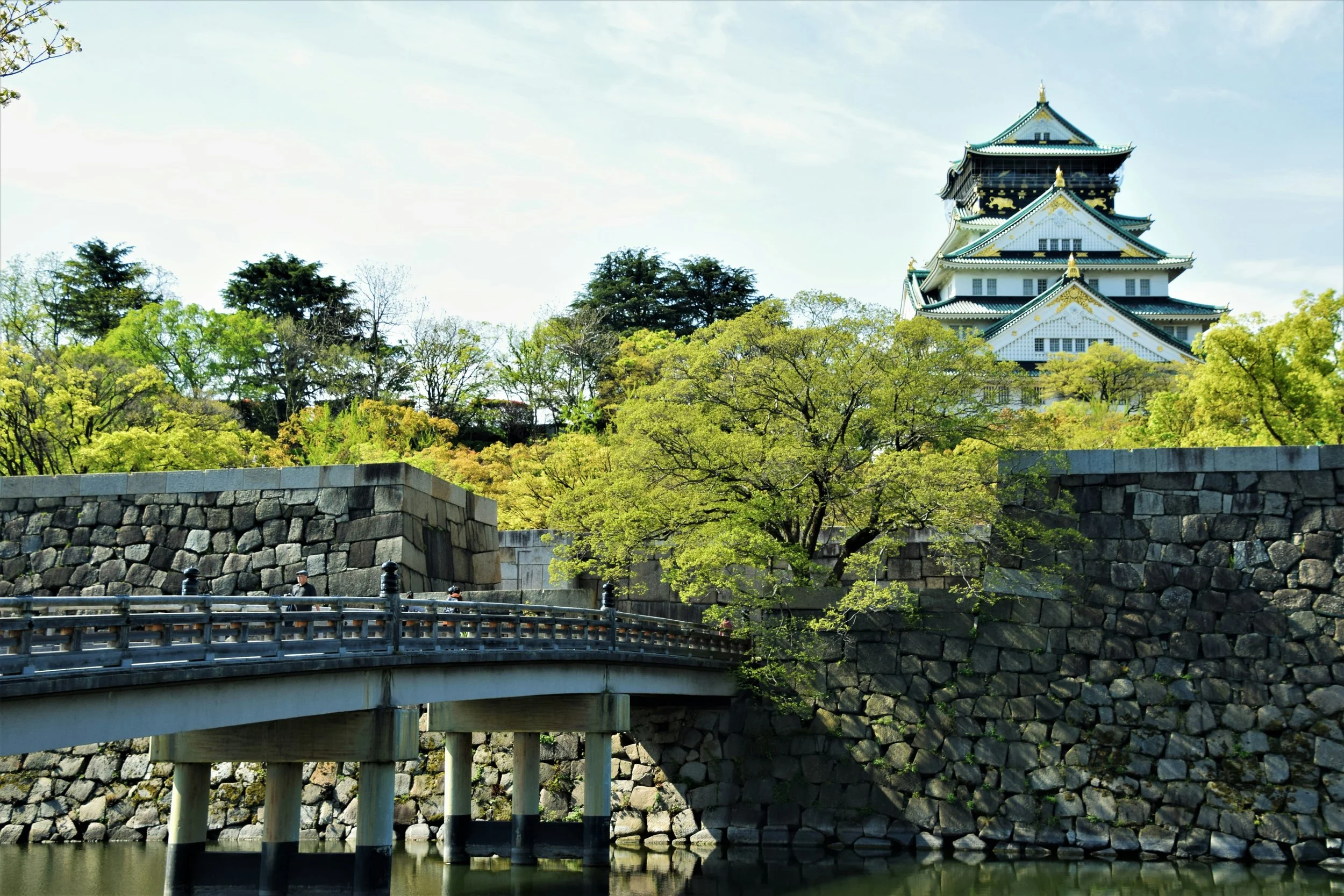
- Osaka Castle
- Kuromon Market
- Umeda Sky Building
- Shinsekai
- Nakanoshima
Do not overload the final day before an international flight. Airport transfers, luggage and last-minute shopping always take more time than expected.
If your flight leaves from Tokyo, you will need to adjust this itinerary. In that case, either return to Tokyo on Day 14 or remove one night somewhere earlier in the route
What if Kamikochi is closed?
Kamikochi is not a year-round destination for normal sightseeing.
If you are traveling in winter, Kamikochi is usually not the right choice for most first-time visitors. The area closes for the winter season, buses stop operating normally, and facilities inside the area are closed.
In that case, I would not force Kamikochi and even the Japanese Alps into the itinerary.
In that case, I’d spend 1 night in Hakone. Then with your extra night you can spend one more day in Osaka. Alternatively, going down to Hiroshima and visiting Himeji castle on the way is also a great alternative.
For winter trips, I would usually make the route simpler unless you are specifically planning for snow, winter scenery or mountain travel.
Two weeks in Japan
Two weeks in Japan gives you a lot more flexibility than a 10-day trip. You still cannot see everything, but you can build a route that feels more complete.
For me, the strength of this itinerary is the contrast:
Modern Tokyo.
Countryside and mountains around Takayama.
Traditional village scenery in Shirakawa-go.
Nature and walking in Kamikochi.
Temples and old streets in Kyoto.
Food and nightlife in Osaka.
History and open space in Nara.
That variety is what makes the trip memorable. Instead of simply adding more famous places, use the extra time to improve the rhythm of the journey.
A great Japan itinerary is not the one with the longest checklist. It is the one that flows well, gives you different experiences, and leaves enough space to actually enjoy where you are.
Need Help Planning Your Two-Week Japan Trip?
This itinerary is a strong starting point, but the best route depends on your dates, arrival airport, departure airport, interests, budget, pace and season. A two-week trip can be planned in many different ways.
You might prefer more hiking, more food, more hidden gems, more family-friendly pacing, fewer hotel changes or a smoother route with less travel time.
Japan by Joe helps travelers build personalized Japan itineraries that feel realistic, balanced and memorable.
If you want help turning your ideas into a practical route, I can help you plan smarter and explore deeper.