Japan 10-Day Itinerary for First-Time Visitors: A Balanced Route Beyond the Checklist
Ten days in Japan will never be enough to experience everything the country has to offer.
But that does not mean your first trip needs to feel rushed, stressful, or like a checklist of tourist spots.
For many first-time visitors, the classic route is Tokyo, Kyoto and Osaka. And honestly, that can be a very good introduction to Japan. You get big cities, food, temples, trains, shopping, nightlife and famous sights.
But for me, that route can also feel a little one-dimensional.
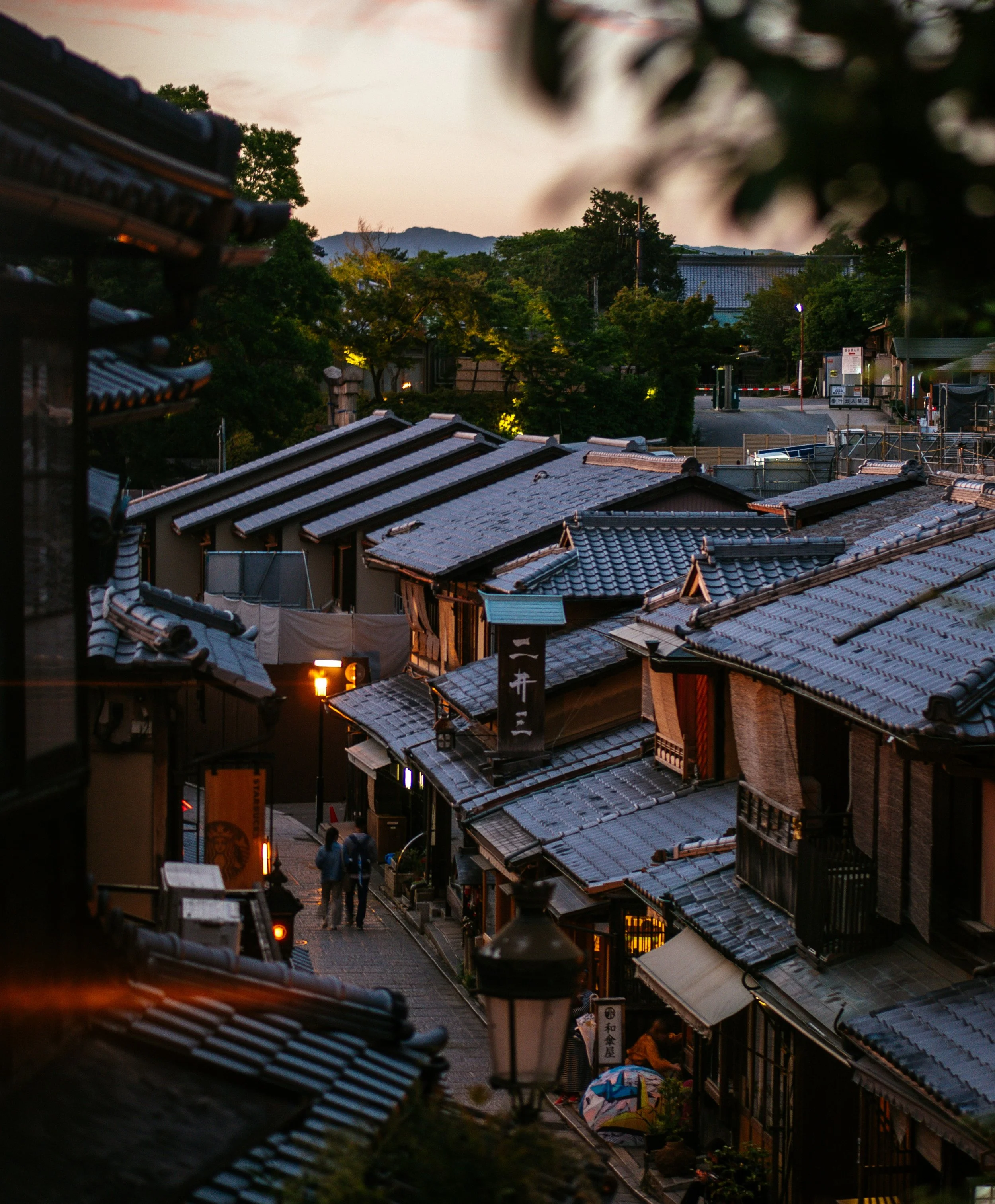
Tokyo, Kyoto and Osaka are all major urban destinations. Kyoto has a very different atmosphere from Tokyo or Osaka, with beautiful temples, old streets, gardens and historic areas, but it is also one of the most crowded tourist cities in Japan. Moving around by bus can be tiring, and quiet moments can be hard to find unless you plan carefully.
That is why, for a 10-day first trip, I usually recommend adding one slower overnight stop — somewhere like Hakone or Nikko.
A ryokan stay, an onsen bath, forest temples, mountain views or a quiet lake can completely change the rhythm of your trip.
This itinerary is designed for first-time visitors who want the highlights, but also want to feel that they experienced more than just big cities.
In this guide:
- Who this itinerary is for
- Should you add Osaka?
- Route overview
- Tokyo - 4 days
- Hakone or Nikko - 2 days
- Kyoto - 3 days
- Nara day trip
- What this itinerary skips
- Final thoughts
Why I like this route
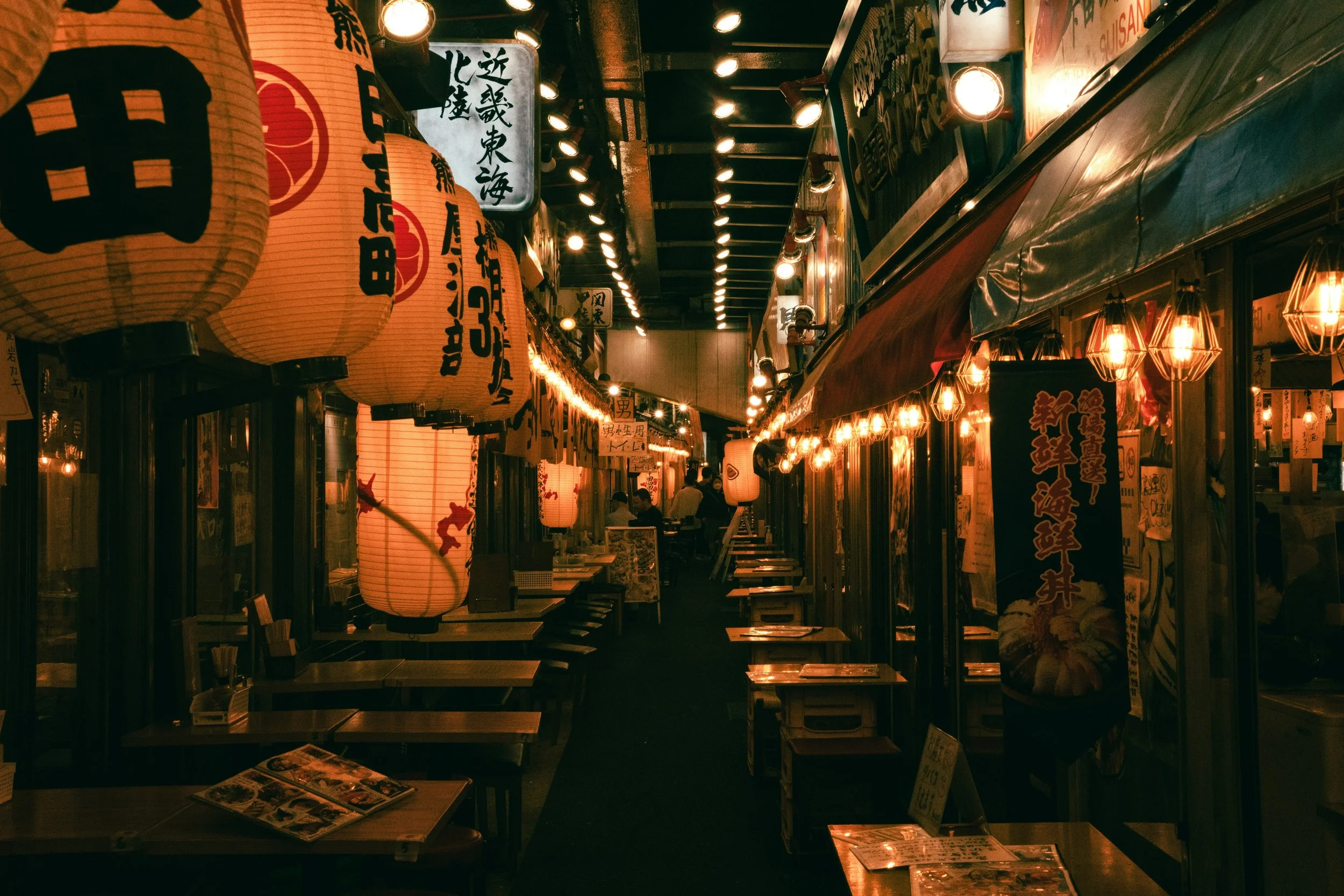
When my parents first visited Japan, they only had about 10 days. We had to make choices. I knew they would enjoy the big cities, restaurants and neon lights, but I also knew that what would really stay with them was the cultural side of Japan: old towns, historical places, a ryokan night, quiet temples and landscapes that felt completely different from Tokyo.
That experience shaped how I think about first-time Japan itineraries. The goal is not to see everything. The goal is to create a trip that flows and gives you different sides of Japan.
Who is this itinerary for?
This itinerary is best for you if:
- This is your first trip to Japan
- You have around 10 days in the country
- You want to experience Tokyo and Kyoto
- You enjoy culture, food, temples, history and city walks
- You want one slower overnight stop outside the big cities
- You are interested in a ryokan, onsen, nature, forest temples or mountain scenery
- You prefer a balanced pace instead of changing hotels every night
- You want a route that feels varied, not just a list of famous places
This itinerary is probably not the best fit if:
- You want to visit as many cities as possible
- You want a very nightlife-heavy trip
- Universal Studios Japan is a top priority
- You strongly prefer big cities over nature or traditional stays
- You do not mind moving hotels frequently
- You want to include Hiroshima, Kanazawa, Takayama or multiple long-distance side trips
This itinerary is not designed to cover everything.Instead, it is designed to help your first Japan trip flow better.
Should You Add Osaka to a 10-Day Japan Itinerary?
A lot of first-time Japan itineraries include Osaka. I like Osaka and have visited many times. It is a great city for food, nightlife, shopping and easy access to places like Nara, Himeji, Kobe and Universal Studios Japan.
But for a 10-day first trip, I do not always think Osaka is essential.
You should consider adding Osaka if you want to visit Universal Studios Japan, you want to try Japanese street food or prefer the big city vibe. For this itinerary however, I suggest skipping Osaka as an overnight base and using that time for Hakone or Nikko instead.
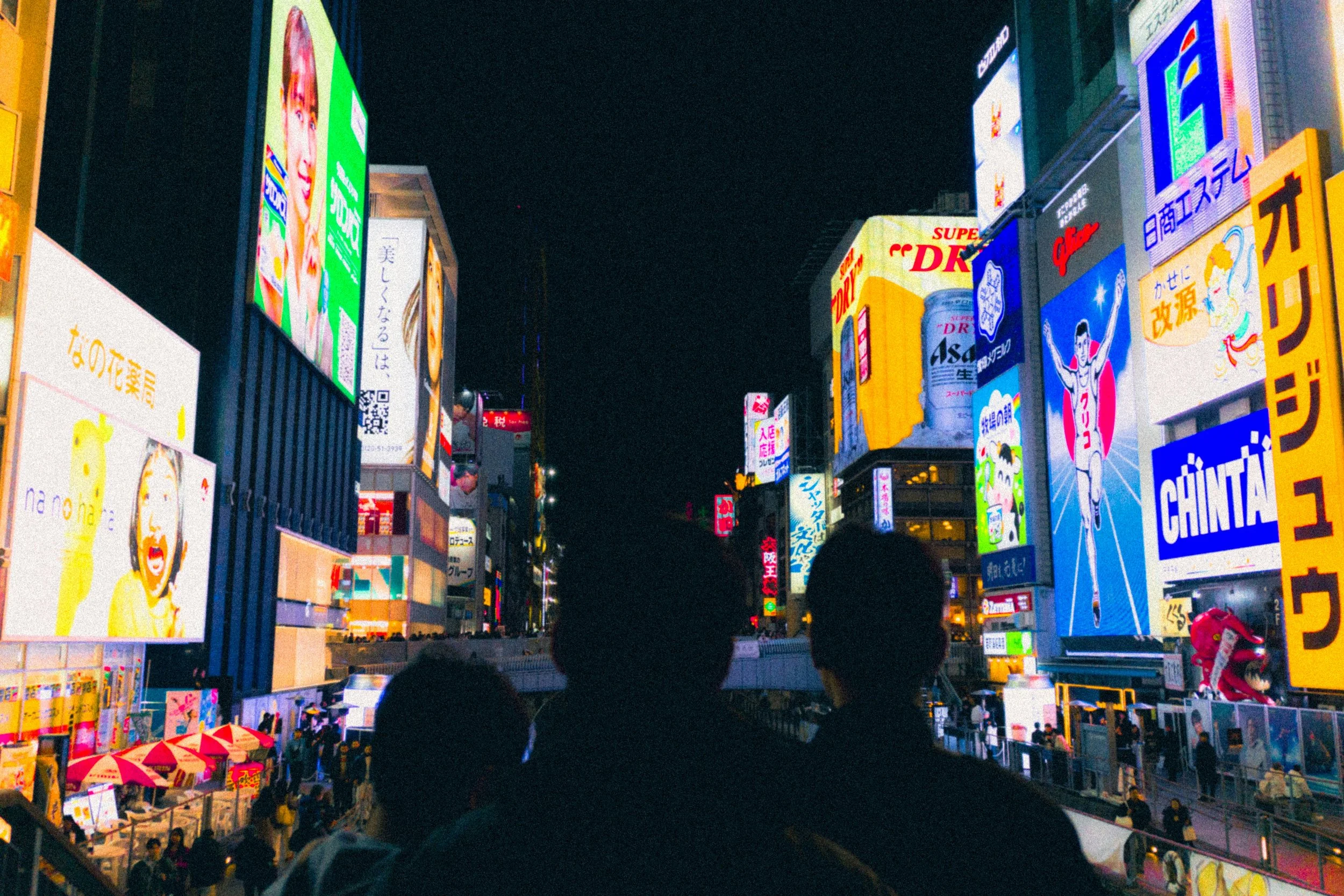
If you really want to see Osaka, you can visit it as an evening trip from Kyoto, especially for Dotonbori, Namba or a food-focused night. Kyoto to Osaka is short and easy by train, so you do not necessarily need to move hotels just to experience Osaka for a few hours.
That combination creates more contrast than simply moving from one large city to another.
Route Overview
For this: 10-day Japan itinerary, I recommend the following structure
Day 1: Tokyo — West Tokyo
Day 2: Tokyo — Central Tokyo
Day 3: Tokyo — East Tokyo
Day 4: Tokyo — Flexible day or short day trip
Day 5: Travel to Hakone or Nikko
Day 6: Hakone/Nikko morning, then travel toward Kyoto
Day 7: Kyoto — Gion, Higashiyama and old streets
Day 8: Kyoto — Temples, gardens and slower exploration
Day 9: Nara day trip
Day 10: Final Kyoto/Osaka/Tokyo departure buffer
The basic route is:
Tokyo → Hakone or Nikko → Kyoto → Nara → departure
If your flight leaves from Tokyo, you may need to return to Tokyo on Day 10 or the evening before.
If your flight leaves from Osaka/Kansai, the route becomes much smoother because you do not need to backtrack.
Tokyo - 4 days
For a first visit, I like dividing Tokyo by area instead of jumping randomly across the city.
Tokyo is huge. A common mistake is planning one sight in the west, one in the east, one in the center and one in the south on the same day. The trains are excellent, but bad routing still wastes time and energy.
For this itinerary, I would organize Tokyo into three main area-based days, plus one flexible day.
# Day 1 — West Tokyo: Shinjuku, Meiji Shrine, Harajuku and Shibuya
Start with West Tokyo, where modern Tokyo, youth culture, nightlife and one of the city’s most important shrines all sit relatively close to each other.
A good route could be: Shinjuku → Meiji Shrine → Harajuku → Shibuya
In Shinjuku, you can visit the Tokyo Metropolitan Government Building for a free city view, especially around sunset. The area also gives you skyscrapers, busy stations, restaurants and nightlife.
Visit Meiji Shrine, one of Tokyo’s most atmospheric shrine areas. It is surrounded by forest and gives a very different feeling from the city around it.
Harajuku and Takeshita Street are nearby and show a more playful, youth-culture side of Tokyo. Omotesando is also close if you want architecture, cafés and shopping.
End the day in Shibuya for the crossing, city lights, food and nightlife.
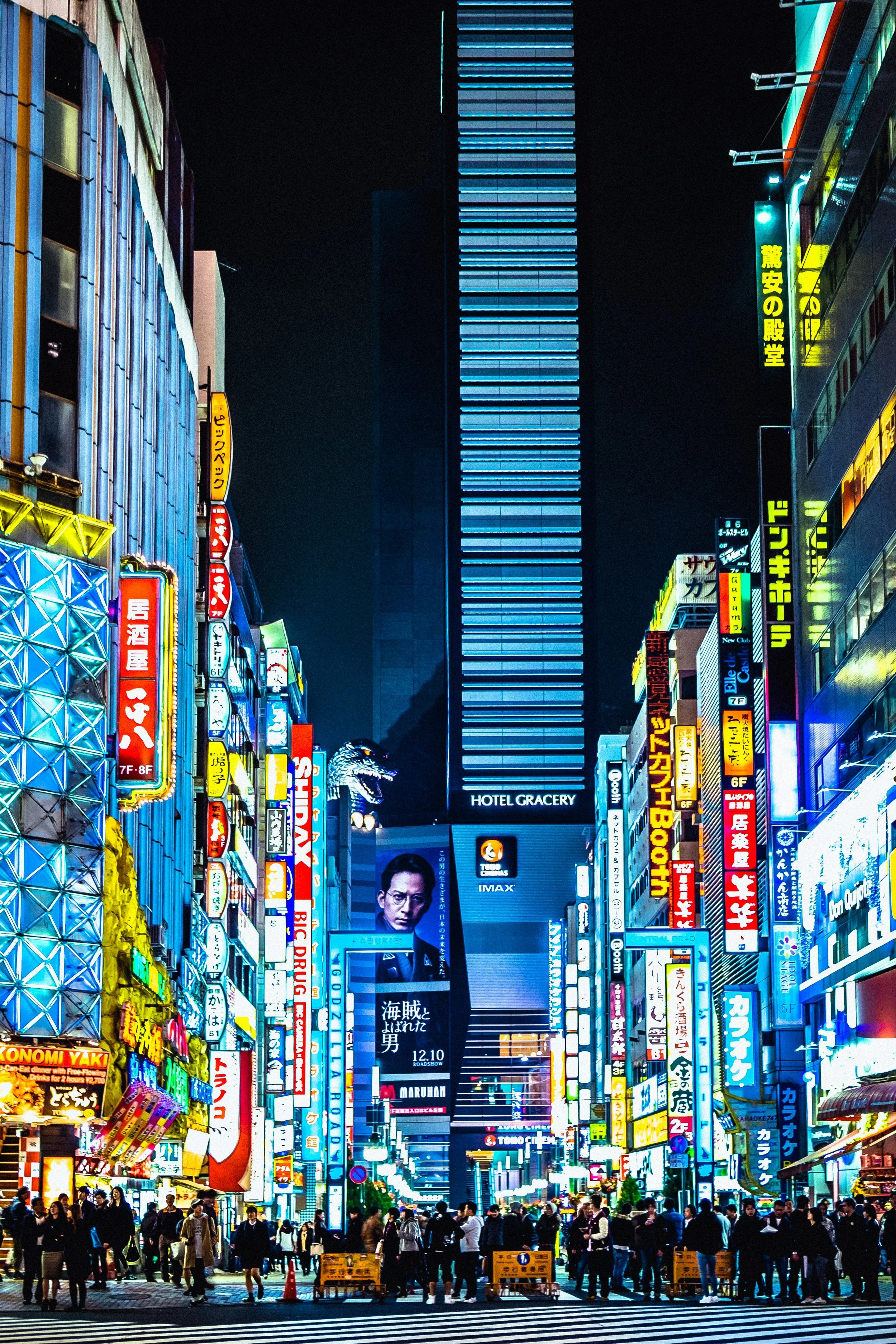
# Day 2 — Central Tokyo: Roppongi, Tokyo Tower area, Tsukiji, Ginza and the Imperial Palace
This day gives you a mix of modern Tokyo, food, shopping and historic geography. You could start around Roppongi or the Tokyo Tower area, then visit Zojo-ji Temple for one of the best contrasts between traditional temple architecture and Tokyo Tower.
Tsukiji Outer Market works well for breakfast or lunch, especially if you enjoy seafood and street-food-style eating.
From there, Ginza is nearby and gives you a very polished side of Tokyo: department stores, architecture, restaurants, cafés and luxury shopping.
If you are interested in Japan’s imperial history, you can also walk around the Imperial Palace area. You cannot freely enter the inner palace grounds, but the surrounding area gives useful context and a calmer break from the city.
# Day 3 — East Tokyo: Asakusa, Ueno and Akihabara
East Tokyo gives you a more traditional and slightly older-feeling side of the city.
Start in Asakusa with Senso-ji, Tokyo’s oldest temple and one of the most famous religious sites in the city. The area can be crowded, but it is still worth visiting on a first trip.
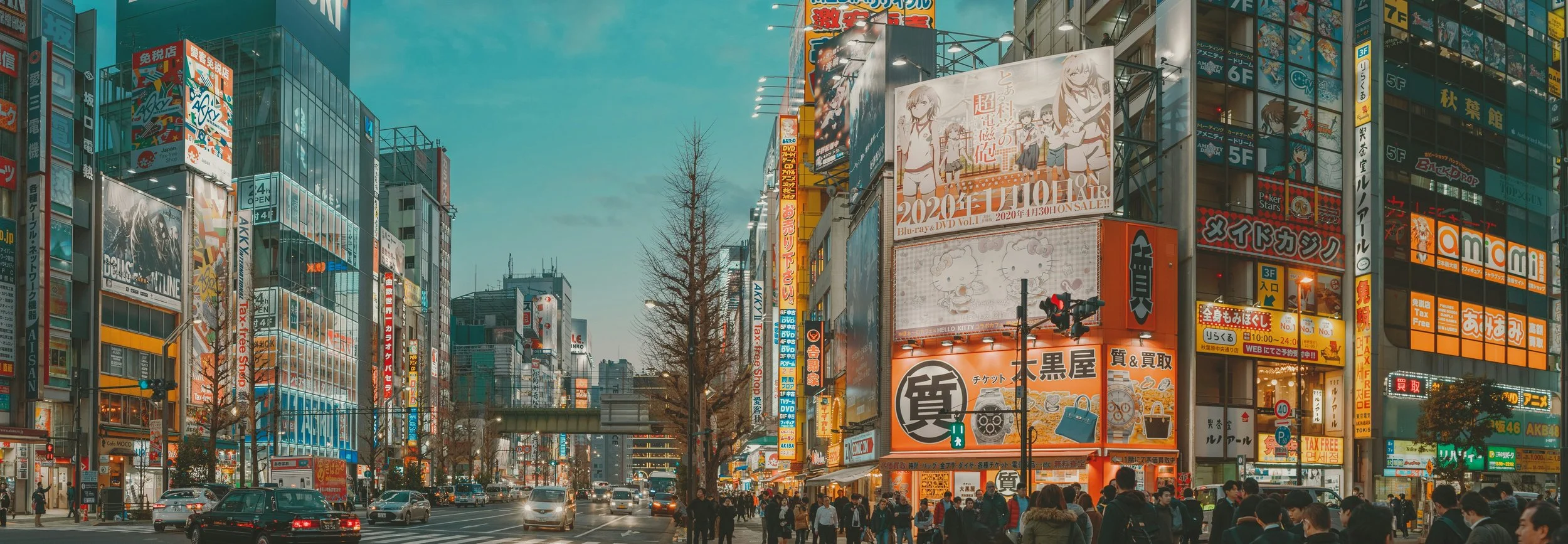
If you are interested in anime, gaming, electronics or pop culture, Akihabara is an easy addition. Even if that is not your main interest, it can be interesting as a contrast to temples, parks and old shopping streets. This is pure Tokyo’s nerdy town
# Day 4 — Flexible Tokyo Day
Use your fourth Tokyo day based on your interests. Some options:
TeamLab Planets if you want a unique digital art experience.
Shimokitazawa if you want vintage shops, cafés, small streets and a more relaxed local atmosphere.
Odaiba if you want waterfront views, shopping and a slower modern Tokyo day.
Ghibli Museum if you are a big Studio Ghibli fan, but book early because tickets are limited and high demand.
Ueno Park and museums if you enjoy history, art and slower cultural sightseeing.
Choose a food tour or sushi-making class if food is one of your main reasons for visiting Japan.
Hakone or Nikko — 2 Days
After several days in Tokyo, I recommend adding one slower overnight stop before continuing to Kyoto.
My two favorite options for a first trip are Hakone and Nikko. Either option, chose a nice local ryokan with an onsen.
Both are close enough to Tokyo to work well in a 10-day itinerary, but they give very different experiences.
# Option 1: Hakone
Hakone is a volcanic mountain area south-west of Tokyo and one of the easiest places to add an onsen or ryokan experience to a first Japan trip.
A typical Hakone route can include Gora, the Hakone Open-Air Museum, the ropeway, Owakudani, Lake Ashi and the boat ride across the lake. On clear days, you may also get views of Mount Fuji.
For transport, the Hakone Free Pass can be useful because it covers many of the local trains, buses, ropeways and boats used in the classic Hakone loop. Whether it makes sense depends on your exact route, but for many first-time visitors it keeps the logistics simple. Check the pass here: https://www.hakonenavi.jp/international/en/discount_passes/free_pass
One of my favorite memories in Japan was visiting Hakone in winter. I went to an outdoor onsen near the top of the mountain with a view of Mount Fuji. The air was close to freezing, the water was around 40°C, and it started snowing while I was bathing outside. It was one of those moments that is impossible to fully capture in a photo.
That is the kind of experience Hakone can add to a first Japan trip. It slows the pace down and gives you something completely different from Tokyo.
# Option 2: Nikko
Nikko is one of the best cultural and nature escapes from Tokyo.
It served as an important spiritual area during the Edo period and is home to some of Japan’s most impressive shrine and temple architecture. The area around Toshogu Shrine and Shinkyo Bridge gives you history, forest, color and atmosphere in a way that feels very different from central Tokyo.
Nikko is especially beautiful in autumn, although that also means it can become crowded during peak foliage season.
The advantage of staying overnight is that many day-trippers leave in the late afternoon. Once the crowds thin out, Nikko becomes much quieter and you can feel more of its historical atmosphere.
If you have time, continue toward Lake Chuzenji. The lake area, Kegon Falls and Ryuzu Falls give you a stronger nature experience and make Nikko feel like more than just a temple stop.
For travelers who enjoy history, forests, temples and mountain scenery, Nikko can be one of the highlights of a first Japan trip.
Kyoto + Nara day trip - 3 days
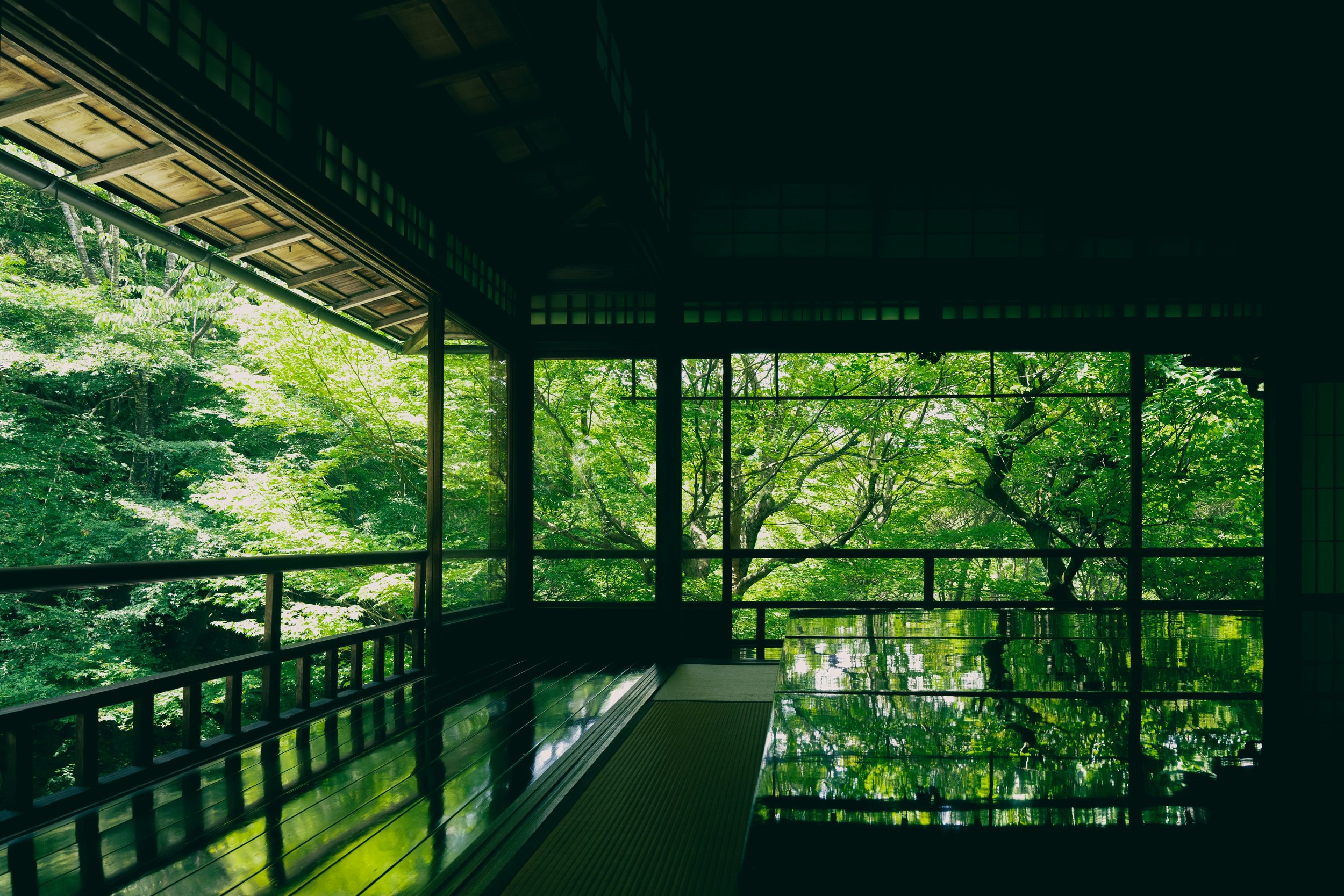
Much has been written in recent years about Kyoto’s overtourism problem. It is true that Kyoto can be crowded, especially around the most famous temples, old streets and bus routes. But for a first trip to Japan, Kyoto is a can’t miss destination.
Kyoto is the image many people have in their mind before visiting Japan: temples, gardens, old streets, wooden houses, shrines, lanterns and historical atmosphere. The key is to plan Kyoto carefully.
Do not try to see every famous temple. Start early when it matters, group sights by area, and leave space for quieter streets, gardens, coffee shops and evening walks.
# Kyoto Day 1: Arrival, Gion and Higashiyama
After traveling from Hakone or Nikko, keep your first Kyoto day simple. Check in, slow down and explore one area instead of rushing across the city.
A good first Kyoto route is:
Gion → Yasaka Shrine → Maruyama Park → Ninenzaka and Sannenzaka → Kiyomizu-dera area
This area is famous and can be crowded, but it also gives you the classic Kyoto atmosphere: old streets, temples, shops, lanterns and traditional architecture. If possible, visit some of these streets early in the morning or later in the evening. Kyoto often feels more special outside the busiest hours.
# Kyoto Day 2: Temples, Gardens and Slower Exploration
Use your second Kyoto day for temples and gardens, but do not overload it. A common first-time mistake is trying to visit too many temples in one day. After the third or fourth temple, everything can start to blur. Instead, choose one main area.
Option A: Northern Higashiyama
Nanzen-ji → Philosopher’s Path → Ginkaku-ji
Option B: Arashiyama
Bamboo Grove → Tenryu-ji → river area → smaller temples or quieter backstreets
Option C: Northwest Kyoto
Kinkaku-ji → Ryoan-ji → Ninna-ji
For a balanced first trip, I would usually choose either Northern Higashiyama or Arashiyama, depending on the season and your interests.
# Kyoto Day 3: Nara Day Trip
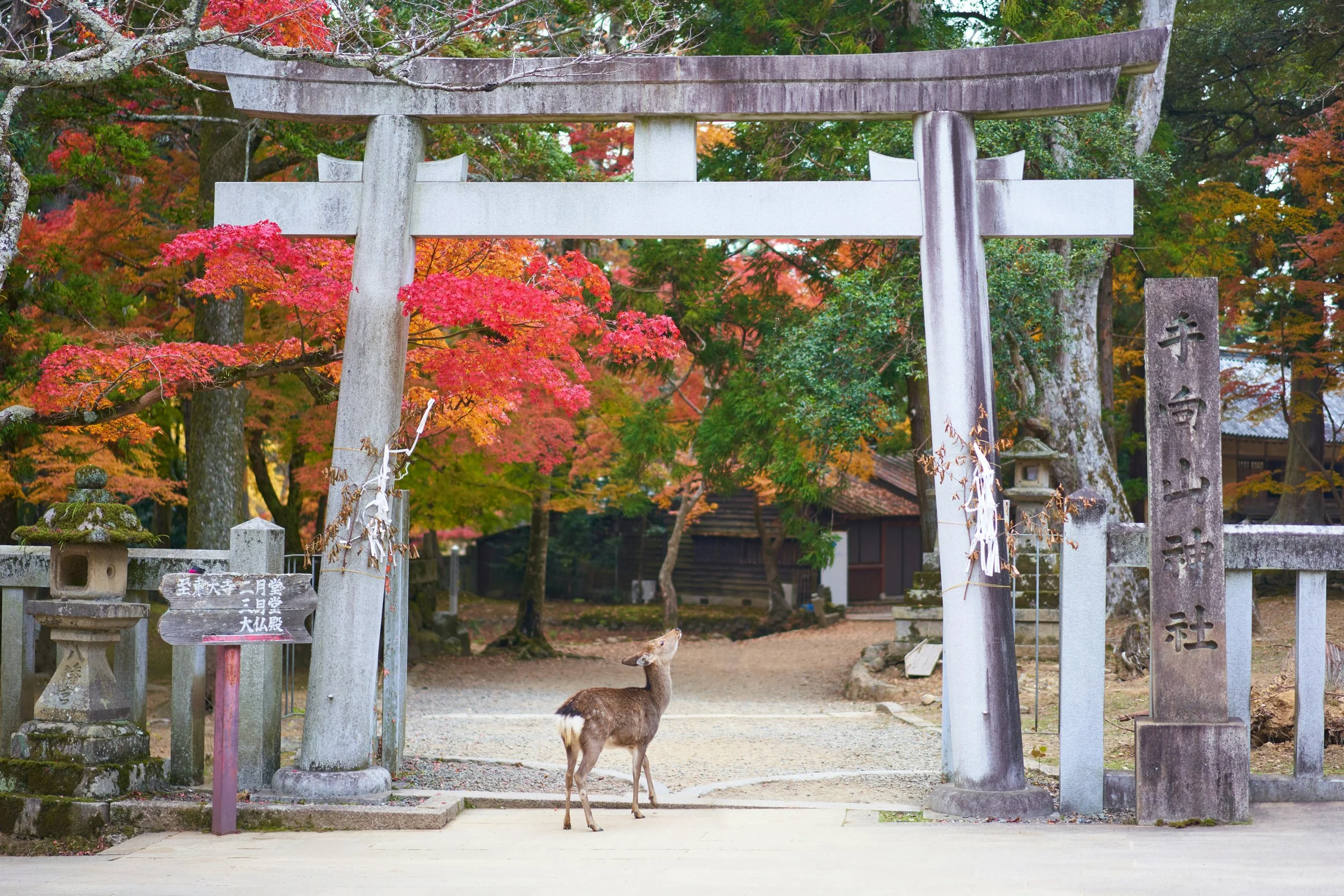
For this 10-day itinerary, I recommend using one Kyoto-based day for Nara. Nara is close, easy to reach, and adds another historical layer to the trip. It was one of Japan’s earliest capitals and has a very different feeling from the big cities. Nara is easily done as a day trip from Kyoto, and I think it fits very well into this itinerary.
As one of Japan’s earliest capitals, Nara is full of history, temples and old religious sites. It is only around 30 to 45 minutes from Kyoto or Osaka, depending on the train and departure station.
Start early and visit Todai-ji, a temple dating back to the 700s and home to one of Japan’s largest bronze Buddha statues.
After that, take your time in Nara Park. If the weather is good, this is a great place to slow down, walk, sit outside or even enjoy a simple picnic. Most people stop around Todai-ji and the deer park, but Nara becomes much more rewarding if you keep walking.
I especially recommend walking up toward Nigatsu-do. The atmosphere becomes quieter, the views open up, and the old paths give you a stronger sense of historical Nara. Kasuga Taisha is also worth visiting. It sits in the forest and gives you a beautiful mix of shrine architecture, lanterns and nature.
If you enjoy walking, Nara is one of the best places on this itinerary to slow down and explore beyond the obvious route.
What This Itinerary Skips
A good itinerary is not only about what you include. It is also about what you choose to skip. With only 10 days, I would not try to include everything.
This itinerary skips Osaka as an overnight base, but you can still visit Osaka for an evening from Kyoto if food and nightlife are important to you.
It also skips Hiroshima and Miyajima, not because they are not worth visiting, but because they add extra long-distance travel. For many first-time visitors, Hiroshima and Miyajima fit better into a two-week trip.
It also does not try to include both Hakone and Nikko. Choose one. Both are worthwhile, but doing both in the same 10-day first trip would make the route less smooth.
The goal of this itinerary is not to see the maximum number of places. If you have more time check out my other guides about Japanese hidden gems or two week itinerary.
The goal is to experience different sides of Japan without making the trip feel like a race. Ten days in Japan will never be enough to fully understand the country. You will still feel like you are only scratching the surface.
Need Help Planning Your Japan Trip?
This itinerary is a starting point, but the best route depends on your dates, travel style, budget, interests and arrival/departure airports.
I help travelers build personalized Japan itineraries that feel realistic, smooth and memorable — whether you want classic highlights, hidden gems, hiking, food, ryokan stays, family-friendly pacing or something more local.
If you want help turning your ideas into a practical route, Japan by Joe can help you plan smarter and explore deeper.